pr4u

How AI is Changing Digital Marketing — And Why Every Brand Should Pay Attention

Let’s Be Honest, Marketing Has Changed Forever  A few years ago, if you wanted to run a marketing campaign, you needed a big team, a big budget, and a lot of guesswork. You’d put out an ad, wait a few weeks, and hope it worked. Today? AI can analyze your entire audience in seconds, predict what content they’ll engage with, and even write the copy for you.  I’m a CSE student who has spent the last few years deep in both the tech world and the marketing world, leading digital PR campaigns, building brand strategies, and now watching artificial intelligence completely reshape how we think about reaching people online. And I have to say: this is the most exciting time to be in this space.  So let me break it down for you simply, honestly, and from someone who has seen both sides.  What Even Is AI in Digital Marketing?  When people hear “AI in marketing,” they often think of robots writing robotic emails. But it’s so much more than that.  AI in digital marketing means using smart tools and algorithms to help brands:  From a CSE perspective, this is machine learning, natural language processing, and data analytics all working together. From a marketing perspective, it’s the ability to be smarter, faster, and more human all at the same time.  How AI Creates More Reach And Better Reach  One of the biggest challenges in marketing has always been reach. How do you find the right people? How do you show them the right message at the right time? This used to require massive budgets and a lot of trial and error.  AI changes this completely. Here’s how:  1. Hyper-Personalization  Netflix knows what show you want to watch before you do. Spotify creates a playlist that feels like it was made just for you. This is AI-powered personalization and brands are now doing the same thing with marketing content. Instead of one message going out to a million people, AI allows one million slightly different messages, each tailored to one person. The result? People feel seen, and engagement goes through the roof.  2. Smarter Ad Targeting  Platforms like Meta and Google already use AI to decide who sees your ads. But now, marketers are layering their own AI tools on top  predicting which users are most likely to convert, when to show them an ad, and how much to bid for that impression. This means less money wasted and more people reached who actually care about what you’re offering.  3. Content at Scale  Small businesses and solo creators used to struggle to compete with big brands that had entire content teams. Now, AI tools can help anyone produce high-quality blogs, social media posts, email campaigns, and even videos faster than ever. This levels the playing field and gives smaller brands a real shot at building a global audience.  4. 24/7 Customer Engagement  AI-powered chatbots and virtual assistants mean your brand is always “online.” A potential customer in a different time zone can get answers, browse products, and even complete a purchase  all without a human on the other end. This extends your reach across borders and time zones without adding a single person to your team.  The Bigger Picture: How This Changes the World Okay, so AI helps brands sell more stuff. But let’s zoom out for a second, because the impact is actually much bigger.  Democratizing Business  A young entrepreneur in Dhaka with a great product idea can now run a data-driven marketing campaign that competes with established companies. AI removes the barrier of not having a big marketing team or budget. This is powerful. It means talent and ideas can rise, no matter where you’re from.  Smarter Social Impact Campaigns  NGOs, health organizations, and social causes can use AI to reach the people who need their message most. Imagine a mental health awareness campaign that uses AI to find and reach young people showing signs of stress on social media not to invade privacy, but to gently offer help. This kind of targeted, meaningful marketing can genuinely save lives.  Reducing Waste in Marketing Spend  Billions of dollars are wasted every year on ads that reach the wrong people. AI reduces this waste dramatically by making every dollar work harder. For companies in developing economies, this efficiency can be the difference between surviving and thriving.  What I’ve Seen First-Hand  During my time leading the digital PR and branding team at PR4U, we were constantly trying to do more with less. Campaigns needed to be creative, timely, and targeted all at once. When we started incorporating AI-powered analytics and content tools into our workflow, the shift was immediate.  We could see which type of content performed best for which audience segment. We could schedule posts at the exact moment our audience was most active. We could draft campaign concepts in hours instead of days. The team didn’t shrink  instead, we could focus on the creative, strategic, and human parts of marketing that AI simply can’t replace.  And as Vice President of the ULAB Computer Programming Club, I’ve seen how excited the next generation of developers and tech thinkers are about building in this space. The combination of technical skills and marketing knowledge is becoming one of the most valuable skill sets in the world right now.  But Wait, Is There a Downside?  I’d be dishonest if I didn’t mention this. AI in marketing does come with real concerns: The solution isn’t to avoid AI, it’s to use it responsibly. As marketers and as tech people, we have a responsibility to make sure AI serves people, not just profits.  Where Do We Go From Here?  If you’re a student like me, whether you’re in CSE, business, communication, or any field, this is your moment to get ahead of the curve. You don’t need to be an AI engineer to use AI in marketing. But you do need to:  The brands that will win in the next decade are not the ones

How AI is Changing Digital Marketing — And Why Every Brand Should Pay Attention Read More »

𝐖𝐡𝐞𝐫𝐞 𝐄𝐯𝐞𝐫𝐲 𝐄𝐧𝐝𝐢𝐧𝐠 𝐒𝐩𝐞𝐚𝐤𝐬 𝐨𝐟 𝐚 𝐍𝐞𝐰 𝐁𝐞𝐠𝐢𝐧𝐧𝐢𝐧𝐠

From receiving their certificates to sharing their journeys on stage, every moment reflected growth, dedication, and memories. These are more than achievements, they’re stories of resilience, friendships, and dreams beyond ULAB. Some moments end, but the bond stays. This is where they don’t just graduate, they begin a lifelong connection. Picture Credit: Md.Tamim khan Asif Mhamud #AlumniFormation#PR4U#ULAB#Spring2026#foreverulab

𝐖𝐡𝐞𝐫𝐞 𝐄𝐯𝐞𝐫𝐲 𝐄𝐧𝐝𝐢𝐧𝐠 𝐒𝐩𝐞𝐚𝐤𝐬 𝐨𝐟 𝐚 𝐍𝐞𝐰 𝐁𝐞𝐠𝐢𝐧𝐧𝐢𝐧𝐠 Read More »

𝐏𝐢𝐭𝐟𝐚𝐥𝐥𝐬 𝐨𝐟 𝐍𝐚𝐭𝐢𝐨𝐧𝐚𝐥 𝐂𝐨𝐧𝐬𝐜𝐢𝐨𝐮𝐬𝐧𝐞𝐬𝐬

Spring 26 began with a visually striking exhibition where “𝐏𝐢𝐭𝐟𝐚𝐥𝐥𝐬 𝐨𝐟 𝐍𝐚𝐭𝐢𝐨𝐧𝐚𝐥 𝐂𝐨𝐧𝐬𝐜𝐢𝐨𝐮𝐬𝐧𝐞𝐬𝐬” came alive through bold visuals and layered storytelling. Each work invited viewers to reflect on identity how it is shaped, seen, and often misunderstood. More than an exhibition, it became a space for conversation challenging perspectives, questioning norms, and leaving thoughts that stayed even after the moment passed. Picture credit: Farjana Akter Jim Md Tamim Khan #PR4U#CIExhibitionSpring26#NationalConsciousness#ArtThatSpeaks

𝐏𝐢𝐭𝐟𝐚𝐥𝐥𝐬 𝐨𝐟 𝐍𝐚𝐭𝐢𝐨𝐧𝐚𝐥 𝐂𝐨𝐧𝐬𝐜𝐢𝐨𝐮𝐬𝐧𝐞𝐬𝐬 Read More »

𝐁𝐞𝐲𝐨𝐧𝐝 𝐭𝐡𝐞 𝐌𝐢𝐜: 𝐌𝐚𝐬𝐭𝐞𝐫𝐢𝐧𝐠 𝐭𝐡𝐞 𝐏𝐑 𝐕𝐨𝐢𝐜𝐞

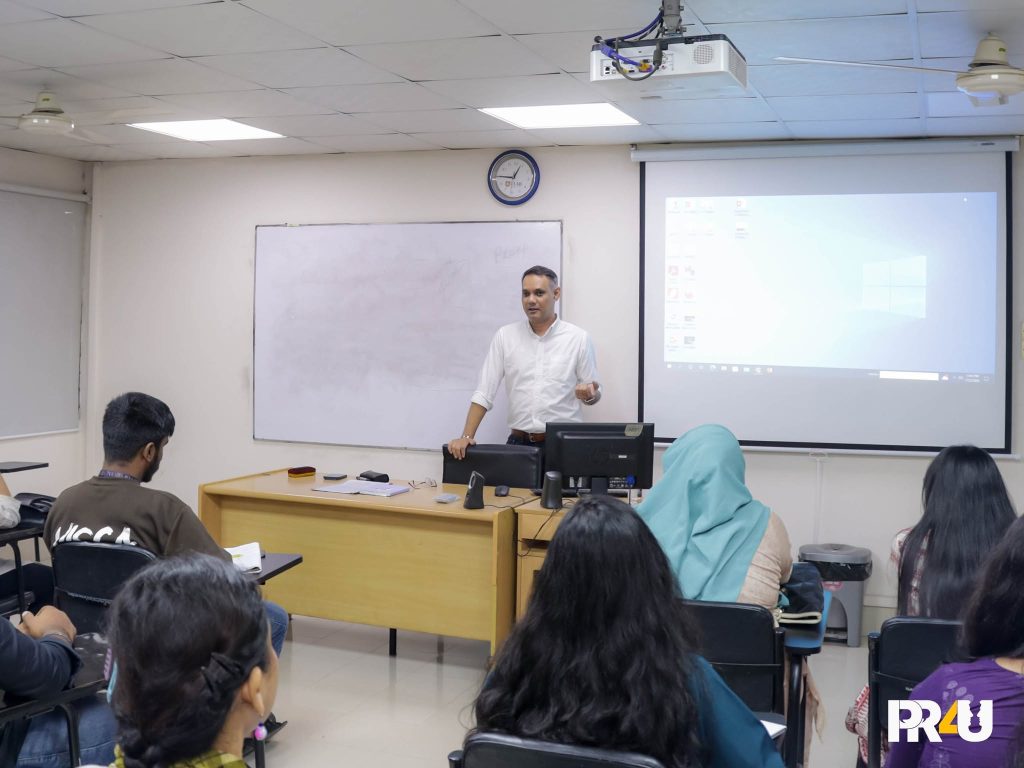
Our recent workshop, Speak to Influence, was a deep dive into the true power of vocal presence. We didn’t just talk about communication; we explored how tone and resonance act as a strategic force in Public Relations. It was inspiring to see everyone transition from simply speaking to truly commanding the room. The session is over, but the influence continues. Photo credit – Farjana Akter Jim Ahnaf Hossain ​#PRSuccess#VoiceOfInfluence#WorkshopHighlight#PublicRelation#PR4U#ULAB

𝐁𝐞𝐲𝐨𝐧𝐝 𝐭𝐡𝐞 𝐌𝐢𝐜: 𝐌𝐚𝐬𝐭𝐞𝐫𝐢𝐧𝐠 𝐭𝐡𝐞 𝐏𝐑 𝐕𝐨𝐢𝐜𝐞 Read More »

𝐄𝐱𝐩𝐥𝐨𝐫𝐢𝐧𝐠 𝐀𝐝𝐯𝐞𝐫𝐭𝐢𝐬𝐢𝐧𝐠 𝐁𝐞𝐲𝐨𝐧𝐝 𝐚 𝐏𝐫𝐨𝐟𝐞𝐬𝐬𝐢𝐨𝐧

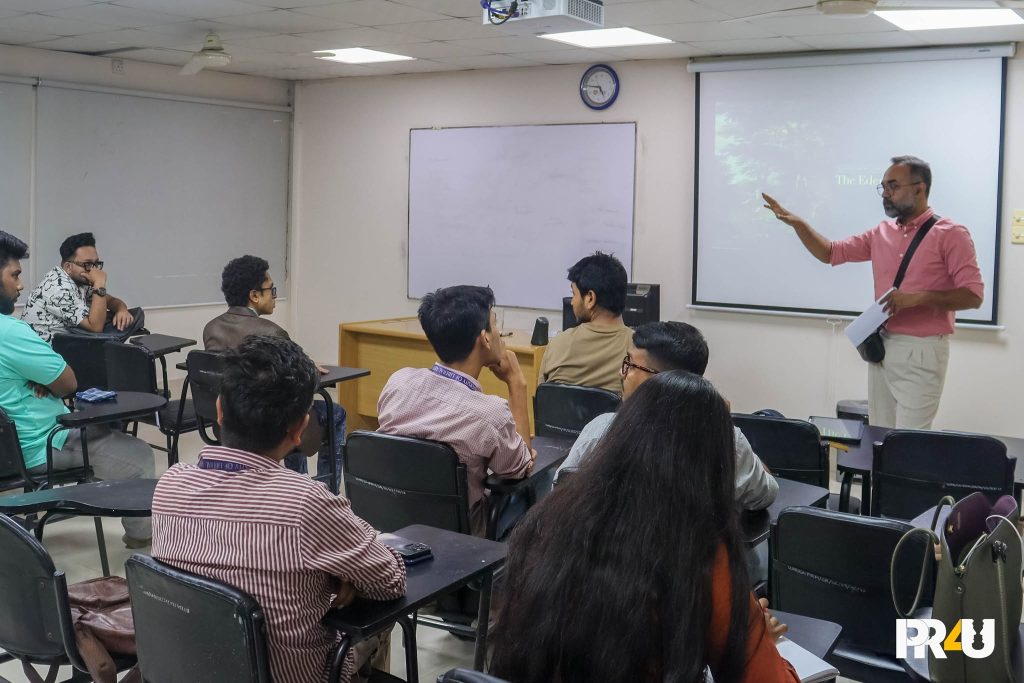
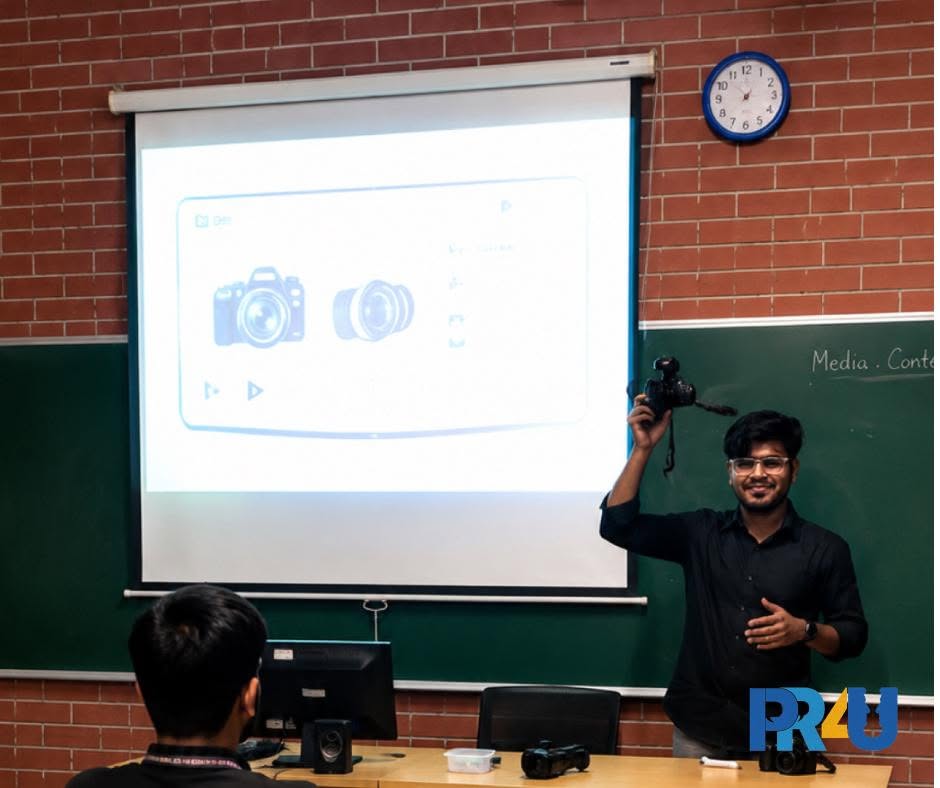
PR4U successfully organized the workshop “Advertising: A Job or What?”, giving students valuable insights into the creative and strategic aspects of advertising. The session encouraged participants to think beyond conventional ideas and understand the field from a broader perspective. We were honored to host Abir Das, Creative Supervisor at GREY, whose experience and insights made the session both engaging and inspiring for all attendees. Photo Credit – Asif Mhamud #AdvertisingWorkshop#PR4U#ULAB#AdvertisingCareer

𝐄𝐱𝐩𝐥𝐨𝐫𝐢𝐧𝐠 𝐀𝐝𝐯𝐞𝐫𝐭𝐢𝐬𝐢𝐧𝐠 𝐁𝐞𝐲𝐨𝐧𝐝 𝐚 𝐏𝐫𝐨𝐟𝐞𝐬𝐬𝐢𝐨𝐧 Read More »

𝐀𝐈-𝐀𝐬𝐬𝐢𝐬𝐭𝐞𝐝 𝐏𝐮𝐛𝐥𝐢𝐜 𝐑𝐞𝐥𝐚𝐭𝐢𝐨𝐧𝐬.

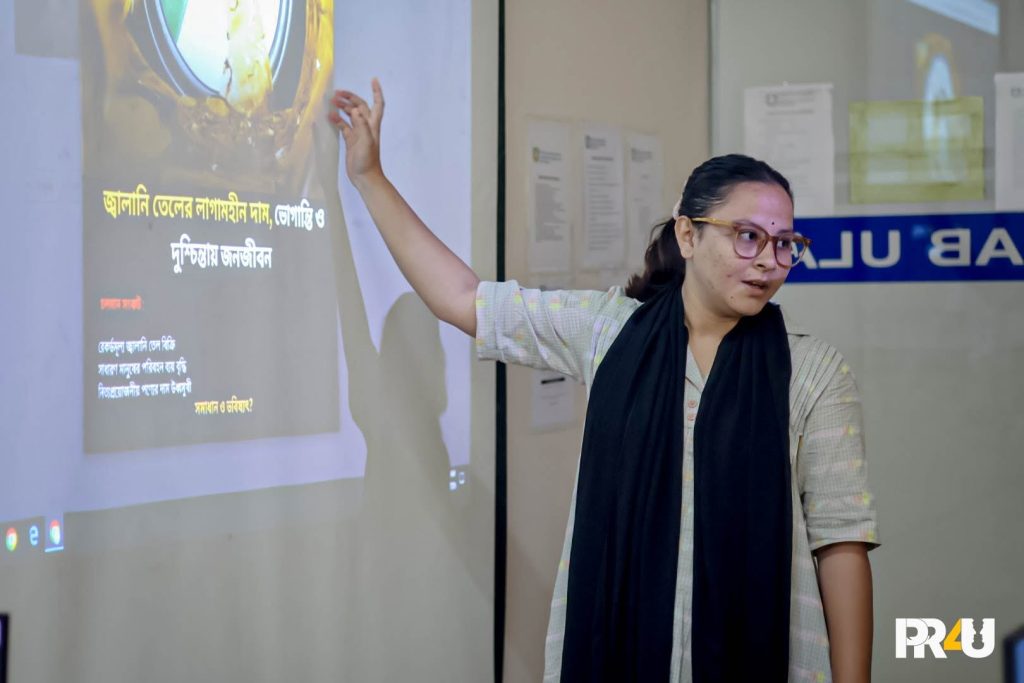
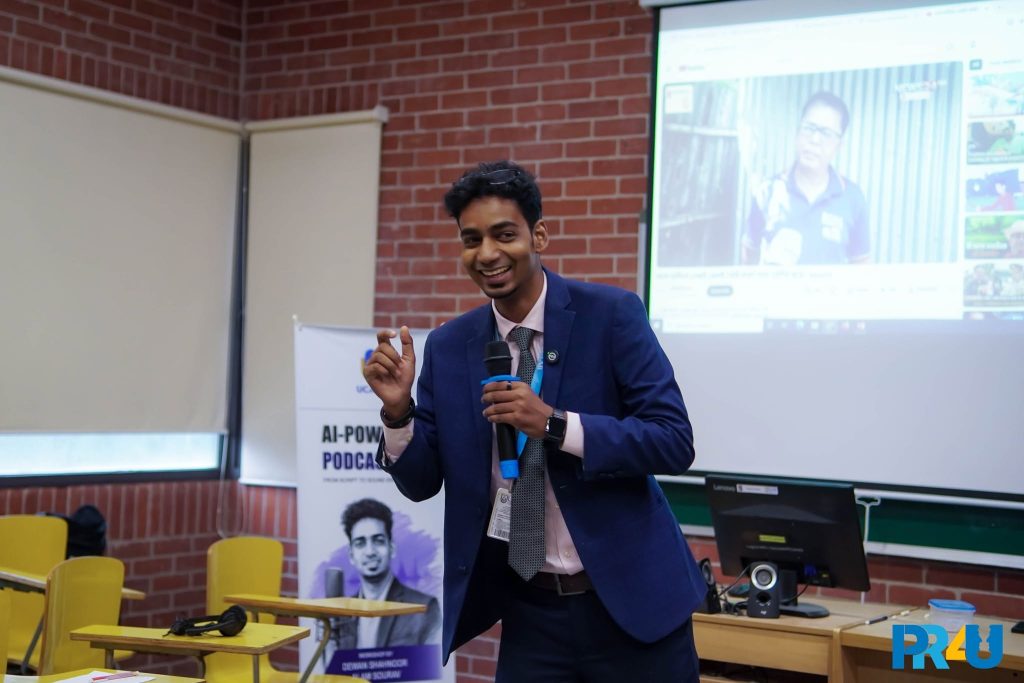
Exploring the future of PR through AI in an engaging session led by Ds Sourav, Advisor of PR4U. The workshop focused on how technology is redefining storytelling, content creation, and strategic communication. With insights on prompt engineering, smart tools, and data-driven decisions, the session inspired a more creative and impactful approach to modern media practices. Photo credit – Umme Habiba Nishat Sadman Sakib Dhrubo #AITechnology#PRWorkshop#PR4U#PublicRelations#ULAB

𝐀𝐈-𝐀𝐬𝐬𝐢𝐬𝐭𝐞𝐝 𝐏𝐮𝐛𝐥𝐢𝐜 𝐑𝐞𝐥𝐚𝐭𝐢𝐨𝐧𝐬. Read More »

𝐃𝐈𝐆𝐈𝐓𝐀𝐋 𝐂𝐈𝐓𝐈𝐙𝐄𝐍𝐒𝐇𝐈𝐏 𝐀𝐍𝐃 𝐌𝐈𝐒𝐈𝐍𝐅𝐎𝐑𝐌𝐀𝐓𝐈𝐎𝐍 𝐀𝐖𝐀𝐑𝐄𝐍𝐄𝐒𝐒 𝐏𝐑𝐎𝐆𝐑𝐀𝐌

The Youth Connect exhibition highlighted the importance of digital citizenship through demonstrations on deepfake detection and misinformation analysis, showing how tools can identify fake news and AI-generated content. The initiative promotes awareness, critical thinking, and responsible online behavior for a more informed digital community. Photo credit – Samin Yasar Chowdhury #DigitalCitizenship#YouthConnect#PR4U#ULAB

𝐃𝐈𝐆𝐈𝐓𝐀𝐋 𝐂𝐈𝐓𝐈𝐙𝐄𝐍𝐒𝐇𝐈𝐏 𝐀𝐍𝐃 𝐌𝐈𝐒𝐈𝐍𝐅𝐎𝐑𝐌𝐀𝐓𝐈𝐎𝐍 𝐀𝐖𝐀𝐑𝐄𝐍𝐄𝐒𝐒 𝐏𝐑𝐎𝐆𝐑𝐀𝐌 Read More »

Media Studies and Journalism in the Digital Age | Future of Digital Media

Media Studies and Journalism in the Digital Age: How Technology is Transforming Modern Media Introduction In today’s digital world, Media Studies and Journalism (MSJ) have evolved significantly due to rapid technological advancements. Traditional journalism that once relied mainly on newspapers, radio, and television has now expanded into digital platforms such as websites, social media, podcasts, and video streaming services. The rise of digital communication tools has transformed how news is created, distributed, and consumed. Understanding the relationship between media, technology, and journalism is now essential for students, professionals, and organizations working in the media industry. What Is Media Studies and Journalism? Media Studies and Journalism (MSJ) is an academic field that focuses on analyzing how media operates in society and how information is communicated to the public. It combines both theoretical and practical aspects of media production, communication, and news reporting. Students in MSJ learn about topics such as: The goal is to develop professionals who can inform, educate, and engage audiences through responsible journalism. The Impact of Digital Media on Journalism Technology has reshaped journalism in several ways. News is no longer limited to traditional outlets. Today, journalists can publish stories instantly through online platforms. 1. Online News Platforms Digital news websites allow media organizations to reach global audiences within seconds. Readers can access information anytime through their smartphones or computers. 2. Social Media Journalism Platforms like social media have become powerful tools for journalists. Reporters use these platforms to share breaking news, interact with audiences, and gather information quickly. 3. Multimedia Storytelling Modern journalism combines text, images, videos, podcasts, and infographics to create engaging stories. This approach helps audiences understand complex issues more effectively. The Importance of Ethical Journalism In the age of instant information, maintaining credibility and ethical standards is more important than ever. Journalists must verify information before publishing it to prevent misinformation and fake news. Key principles of ethical journalism include: Ethical journalism helps maintain public trust and ensures that media serves society responsibly. Career Opportunities in Media Studies and Journalism Graduates of MSJ programs have diverse career opportunities in different sectors of media and communication. Some common career paths include: As digital media continues to grow, the demand for skilled professionals in media communication and journalism is increasing worldwide. The Future of Media Studies and Journalism The future of MSJ is closely connected with technological innovation. Artificial intelligence, data journalism, and mobile reporting are becoming important tools in modern media. Journalists of the future will need to combine strong storytelling skills with digital media knowledge to adapt to the evolving media landscape. Educational institutions are also updating their MSJ programs to include courses on digital journalism, multimedia production, and data analysis. Conclusion Media Studies and Journalism play a vital role in shaping public opinion and providing accurate information to society. As technology continues to transform the media industry, journalists and media professionals must adapt to new tools and platforms while maintaining ethical standards. By combining traditional journalistic values with modern digital skills, the field of MSJ will continue to grow and remain essential in the information age. About the Author-Abu Bakor Siddik is a university student and tech enthusiast who writes about technology, AI, media, web development, and digital innovation.

Media Studies and Journalism in the Digital Age | Future of Digital Media Read More »

𝐂𝐫𝐚𝐟𝐭𝐢𝐧𝐠 𝐭𝐡𝐞 𝐅𝐮𝐭𝐮𝐫𝐞: 𝐌𝐒𝐉’𝐬 𝐅𝐢𝐫𝐬𝐭 𝐑𝐞𝐬𝐞𝐚𝐫𝐜𝐡 𝐃𝐢𝐚𝐥𝐨𝐠𝐮𝐞.

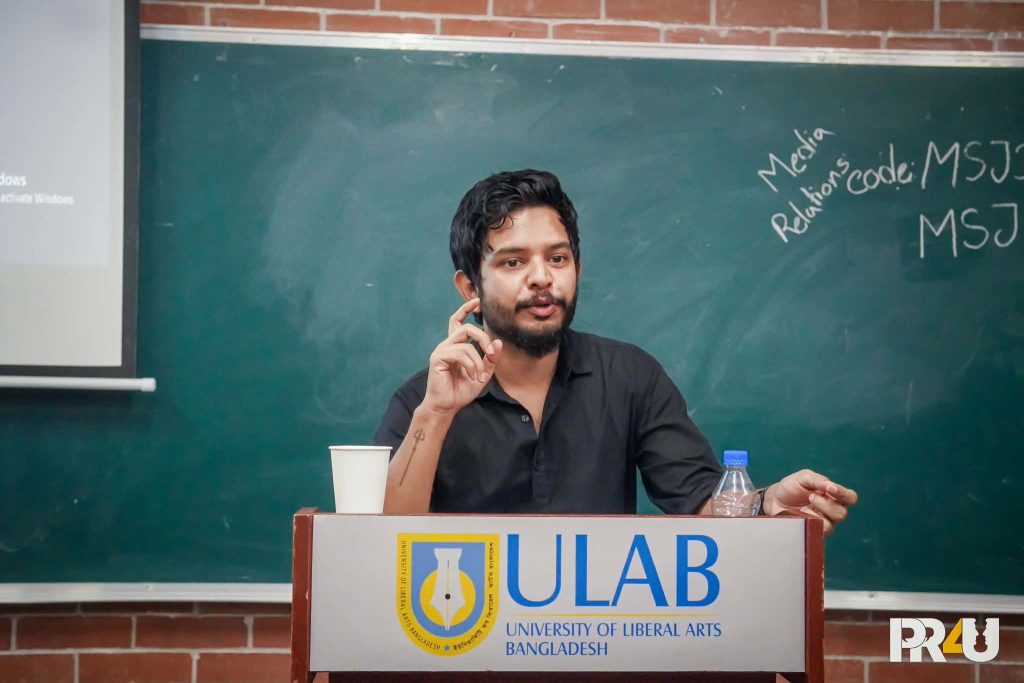
The Department of Media Studies and Journalism, ULAB has officially entered a new era. With the successful launch of the first Apprenticeship & Research Dialogue 2026, we’ve opened a gateway for students to explore their potential beyond the classroom. This historic first-time event focused on building a bridge between innovative research and professional apprenticeship, ensuring our students stay ahead of the curve. #MSJDepartment#MSJApprenticeship2026#PR4U#ULAB

𝐂𝐫𝐚𝐟𝐭𝐢𝐧𝐠 𝐭𝐡𝐞 𝐅𝐮𝐭𝐮𝐫𝐞: 𝐌𝐒𝐉’𝐬 𝐅𝐢𝐫𝐬𝐭 𝐑𝐞𝐬𝐞𝐚𝐫𝐜𝐡 𝐃𝐢𝐚𝐥𝐨𝐠𝐮𝐞. Read More »

𝐓𝐇𝐄 𝐏𝐈𝐓𝐅𝐀𝐋𝐋𝐒 𝐎𝐅 𝐍𝐀𝐓𝐈𝐎𝐍𝐀𝐋 𝐂𝐎𝐍𝐒𝐂𝐈𝐎𝐔𝐒𝐍𝐄𝐒𝐒 – CI Forum | Spring ’26

This Spring, Chhayanaut Auditorium became a space for reflection. Inspired by Frantz Fanon, we questioned how national consciousness forms, who it serves, and where it can fail. Uncritical nationalism can silence difference and hide power. Through dialogue and debate, we explored how education can foster awareness and responsibility. True national consciousness is not inherited—it is examined and consciously built. Picture Credit : Isfar Uddin Ifad Umme Habiba Nishat #PR4U#ciforum#MSJ#ULAB

𝐓𝐇𝐄 𝐏𝐈𝐓𝐅𝐀𝐋𝐋𝐒 𝐎𝐅 𝐍𝐀𝐓𝐈𝐎𝐍𝐀𝐋 𝐂𝐎𝐍𝐒𝐂𝐈𝐎𝐔𝐒𝐍𝐄𝐒𝐒 – CI Forum | Spring ’26 Read More »